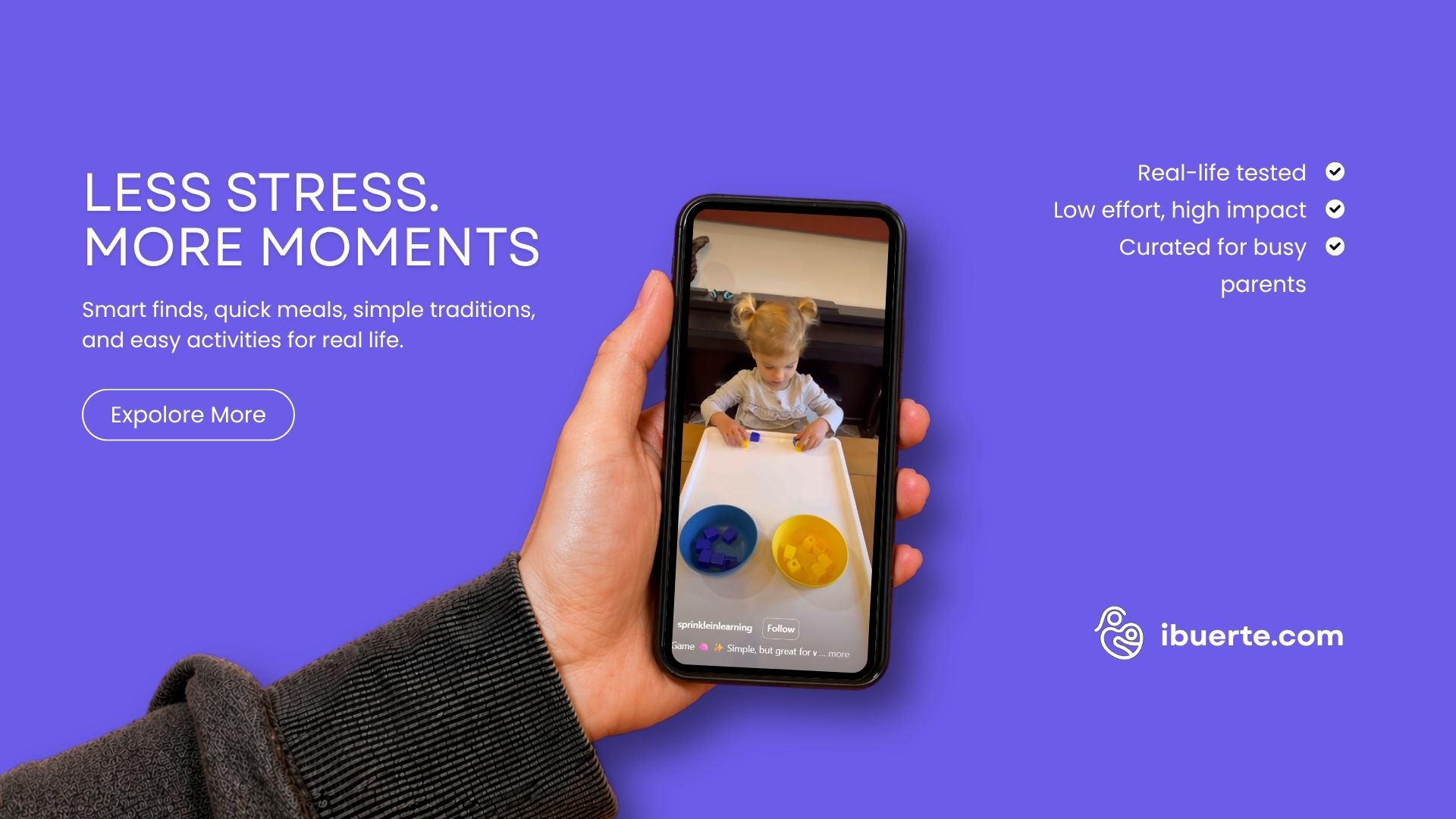

What Is This Brain Game?
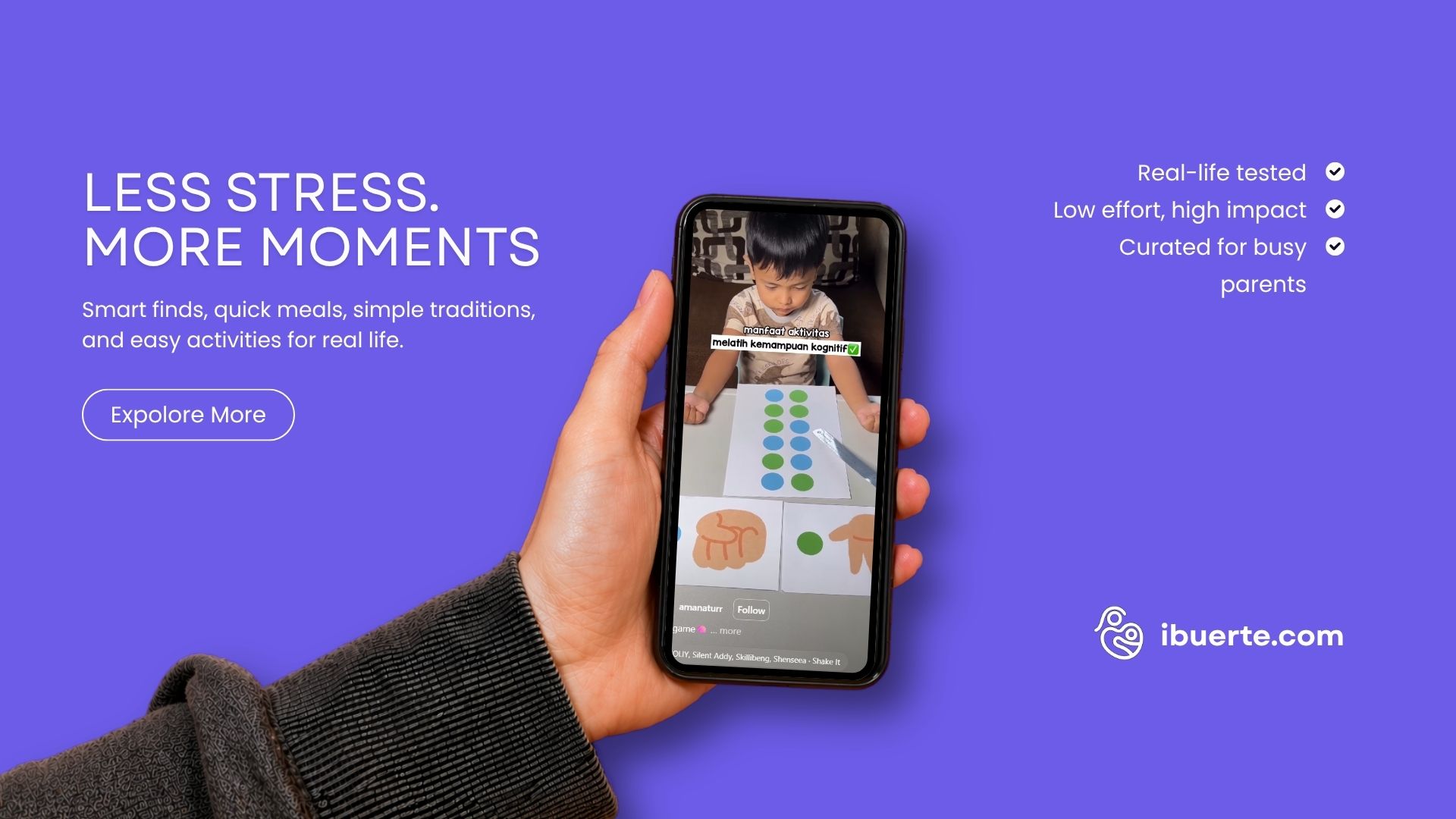
This activity is a simple sorting or matching game that challenges children to use both sides of their body together — a skill called bilateral coordination. That might sound technical, but the activity itself is playful and easy to set up at home with almost no materials.
Children are asked to sort, match, or move objects using both hands together. This requires the left and right sides of the brain to communicate and work in sync, which is exactly what builds stronger neural connections during the early years.
The game can be as simple as sorting colored objects into matching containers, pairing socks, or arranging puzzle pieces. What matters is the movement, focus, and repetition — not the complexity of the setup.
Why Bilateral Coordination Matters
Bilateral coordination is foundational for so many daily tasks:
- Writing and drawing — both hands working together on paper
- Cutting with scissors — one hand stabilizes, the other cuts
- Dressing — zipping, buttoning, putting on socks
- Sports and play — throwing, catching, climbing
When children practice this through play early on, they develop smoother, more confident movements as they grow. The brain’s ability to coordinate both sides of the body also supports attention span and cognitive processing.
This makes it one of the most useful developmental activities you can do at home with young children.
How to Set It Up at Home
You do not need special materials. Here is how to get started:
Step 1: Choose your objects Use items you already have — colored blocks, buttons, bottle caps, or small toys. You can sort by color, size, or shape.
Step 2: Set up sorting containers Place two or more containers or bowls in front of your child. Label them if helpful (“red here, blue here”) or leave it open-ended for older toddlers.
Step 3: Demonstrate once Show your child how to pick up an object with one hand and place it in the correct container. Use both hands together in front of them first.
Step 4: Let them lead Allow your child to work at their own pace. Resist the urge to correct every mistake — the process is the learning.
Step 5: Increase challenge as they improve Add more categories, reduce visual cues, or introduce a time challenge for older preschoolers.
Benefits Beyond Coordination
While bilateral coordination is the core skill, this activity naturally supports several other areas of development:
- Concentration — children learn to focus on a task for longer periods
- Confidence — completing the sorting independently builds self-esteem
- Language development — naming colors, shapes, and categories adds vocabulary
- Problem-solving — figuring out which group an object belongs to
- Independence — a child who can do this activity alone has mastered a real skill
Tips for Different Ages
Toddlers (18 months to 3 years): Keep it simple. Two categories and a limited number of objects. Supervision is key as everything goes in the mouth at this age.
Preschoolers (3 to 5 years): Increase complexity with more sorting categories, smaller objects, or matching games that involve memory. They will surprise you with how quickly they adapt.
Older kids (5+): Turn it into a timed challenge or introduce competitive elements. Bilateral coordination continues to develop through age 8 or 9, so older children still benefit from this type of activity.
What You Will Need
- Household objects for sorting (blocks, buttons, caps, small toys)
- Containers or bowls for sorting
- Optional: printed sorting cards or labels
That is it. No expensive toys, no complicated setups, no screen time. Just you, your child, and a few objects.
Final Thoughts
The best developmental activities are rarely complicated. A simple sorting game practiced regularly builds real skills — coordination, focus, confidence — without feeling like work.
Set it up once, and you will find yourself using it again and again, with different objects and increasing complexity. It is one of those activities that grows with your child.
Start with what you have. Today.
Source: @sprinkleinlearning
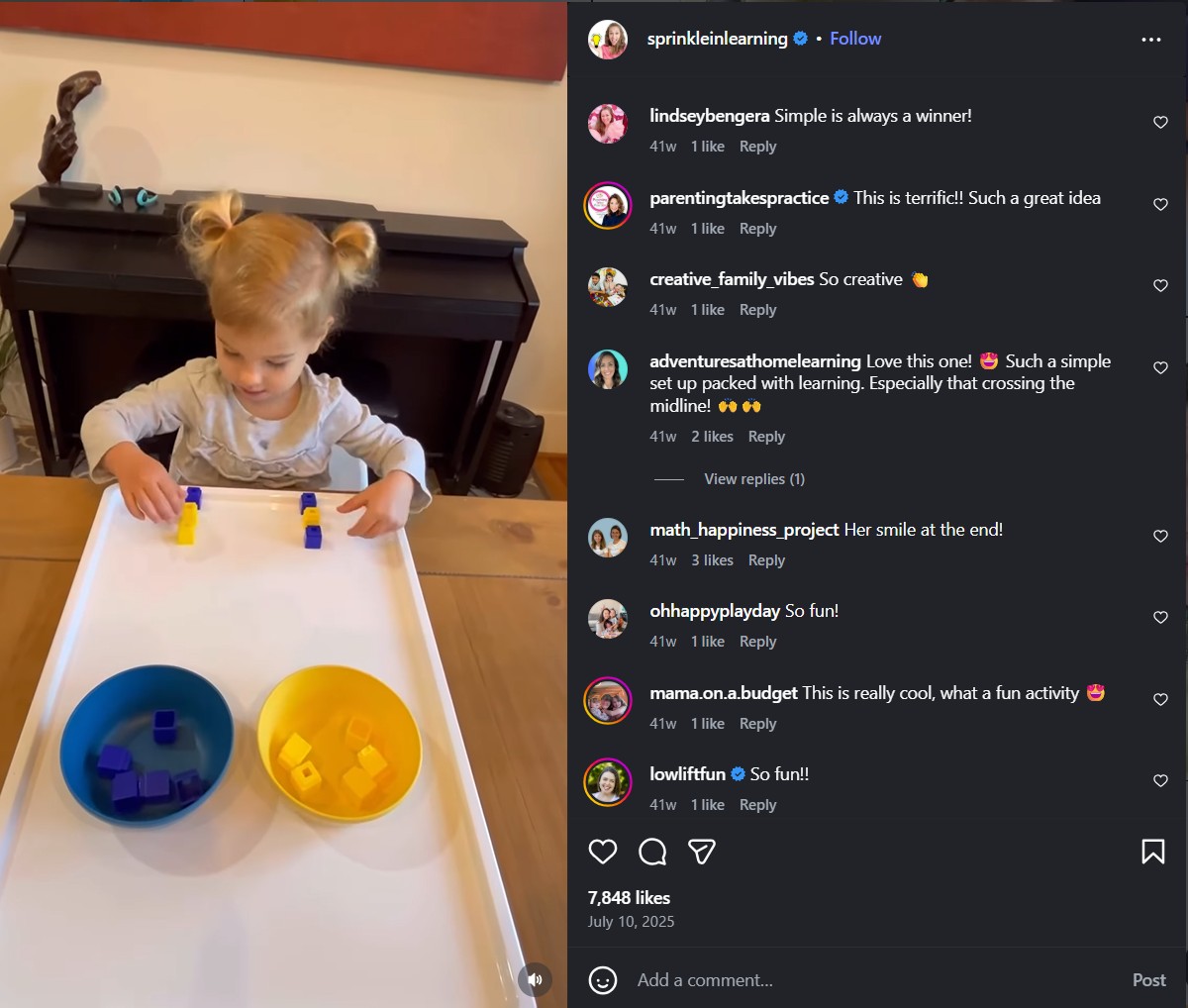 Source: @sprinkleinlearning on Instagram
Watch the activity in action

Linea
Professional mom of three and somehow still standing. Low-prep activities, cozy traditions, kid-friendly recipes & finds for curious kids, because we're all winging it together :)
Learn more about us →