
The first time I noticed something was off, my daughter was 18 months old. She was already watching Cocomelon, like most toddlers her age, and I watched how she interacted with the TV: rigid posture, wide eyes, completely zoned out. When I turned it off, she screamed like I’d taken something away from her.
That reaction stuck with me.
Fast-paced, high-stimulation cartoons are everywhere. They’re designed to capture attention, but what happens to a developing brain that’s still building the capacity to focus and self-regulate?
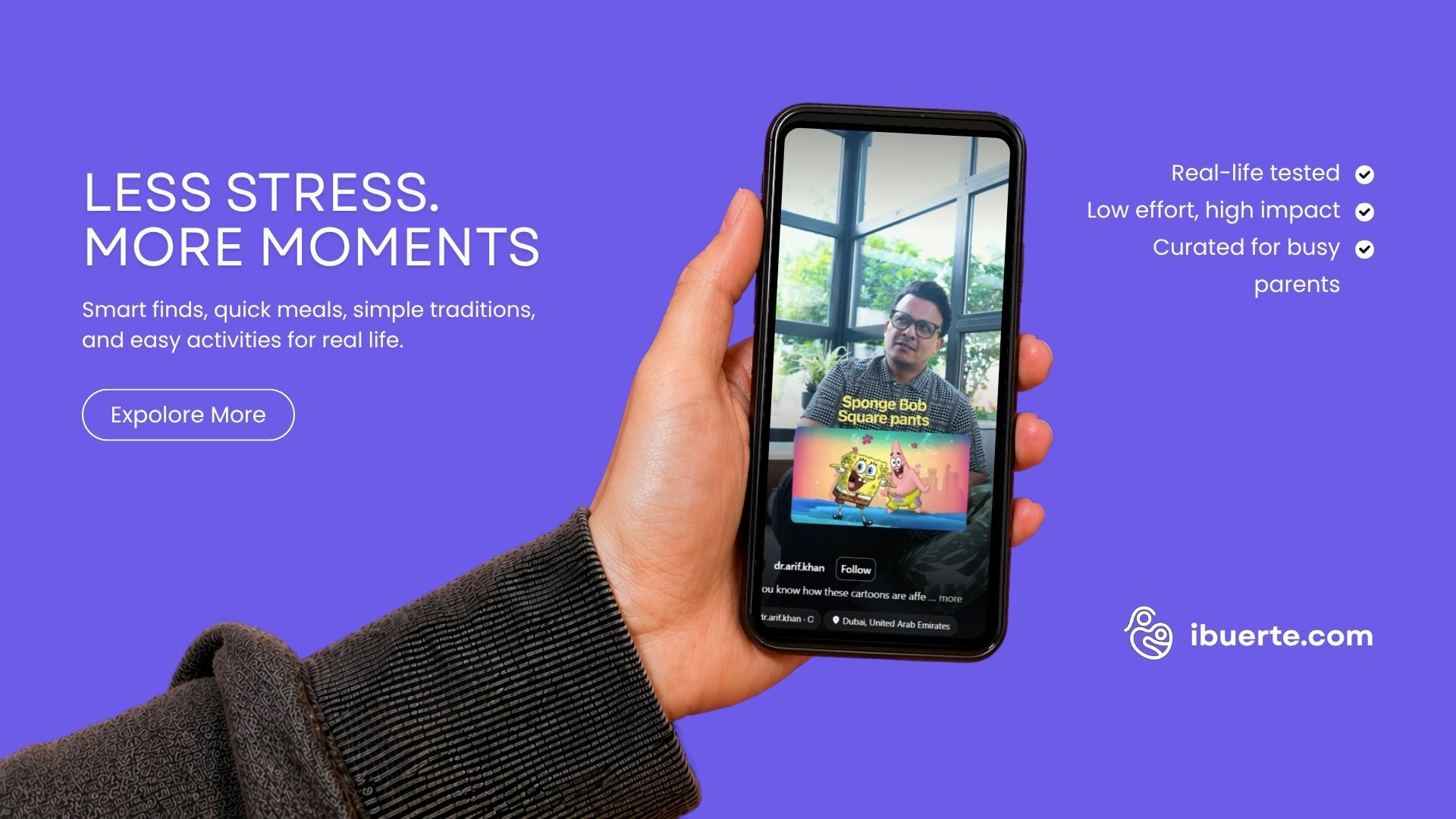
According to Dr. Arif Khan, a pediatrician specializing in early childhood development, the concern is real and well-founded.
“Too much fast-paced visual exposure at a critical age can disrupt the brain’s executive functions. This aligns with guidelines from the American Academy of Pediatrics (AAP), which recommend limited screen exposure for children under 2 and emphasize quality over quantity in content selection.”
📱 Source: @dr.arif.khan on Instagram
How Fast-Paced Content Rewires Developing Brains
A typical episode of Cocomelon cycles through scenes every 1–2 seconds. This pace is far beyond what young eyes and brains were designed to process, and research is catching up.
A 2021 study published in Psychological Science found that children who watched rapid-cut animated content showed significantly poorer executive function during tasks requiring sustained attention and impulse control, compared to children who watched slower-paced shows or engaged in free play.
For a toddler’s brain, which is building neural pathways for focus, self-regulation, and language, this constant visual overstimulation may come at a cost.
What Parents Are Reporting
Real experiences from parents echo the research findings:
“My son watched only Cocomelon for two years, from age one to three. Unfortunately, he now has severe sensory issues, speech delay, and serious attention problems. Please protect your children from all cartoons.” @nani.mo.87
“We grow up watching Tom & Jerry, Ren & Stimpy and here we are, nothing to worry, let your kids watch whatever they want.” @marianoanch
“My son is 2 and he has learned everything from TV, be it any cartoon. I think let’s not listen to anyone but your child, but in limits.” @rupalikbeauty
The pattern is consistent: heavy, early, unrestricted cartoon exposure correlates with attention issues, speech delays, and sensory overload in children under 3.
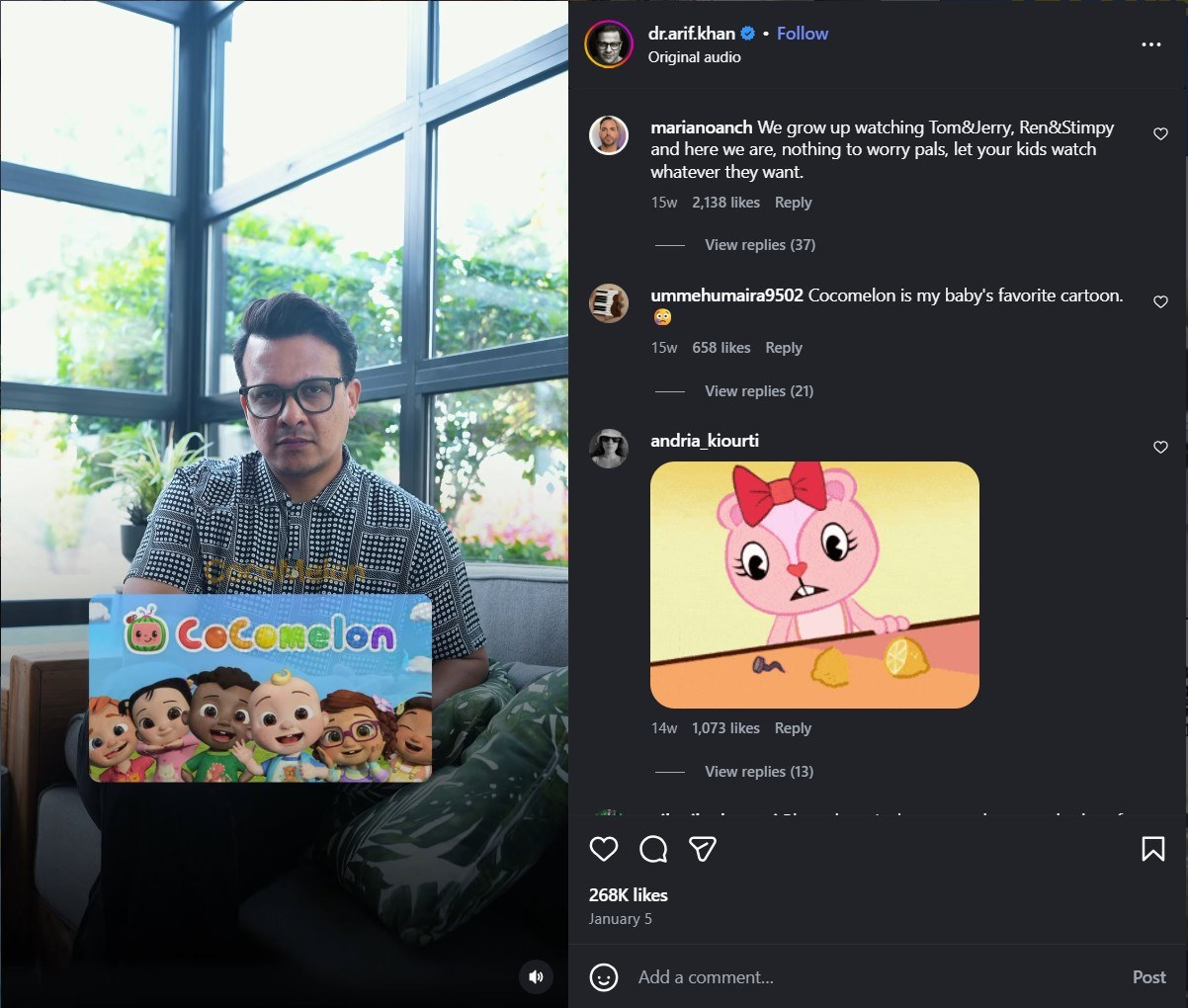 The conversation among parents about cartoon content and child development is growing online
What Developmentally Appropriate Content Looks Like
Not all screen time is equal. The AAP and child development experts point to specific markers for age-appropriate content:
- Slow pacing: One scene, one concept, longer duration, helps comprehension
- Real faces and human interaction: Books being read, parents singing, children playing
- Minimal background noise and flashing visuals: Reduces sensory overload
- Repetitive, predictable structure: Helps toddlers build understanding and language
Shows like Sesame Street (older episodes), Mr. Rogers’ Neighborhood, or simple live-action nursery rhyme videos are closer to this model than rapid-cut animation.
Safe Viewing Guidelines by Age
| Age | Recommendation |
|---|---|
| Under 18 months | Avoid screens except video calls |
| 18–24 months | If introduced, choose high-quality programming and watch together |
| 2–5 years | Max 1 hour per day of quality content |
| 5+ years | Consistent limits, prioritize active play over passive watching |
The Role of Active Parental Filtering
Dr. Khan emphasizes that passive viewing, putting a child in front of a screen and walking away, is the primary concern, not screen time alone.
“Parents should not treat screens as a default calmer. Every show, every app, every video should be a deliberate choice, not a default.”
The solution isn’t fear, it’s intention. Choose content deliberately. Watch with your child when possible. Replace cartoon time with play time whenever you can. The first three years of a child’s life are building the foundation for everything that comes after. That foundation doesn’t need to compete with a screen cycling through 60 cuts in 5 minutes.
The Bottom Line
Cartoon content itself isn’t the enemy. But the rapid-paced, overstimulating format designed to maximize engagement is not neutral for developing brains. The research is growing. The parent testimonials are consistent. And the AAP guidelines have been clear for years.
You don’t have to ban screens. But you do have to choose, and that choice matters more than most parents realize.
Mindful screen time starts with one question: is this building my child’s brain, or hijacking it?
Linea
Low-prep activities, cozy traditions, kid-friendly recipes, and curated finds for curious kids.
Learn more about us →