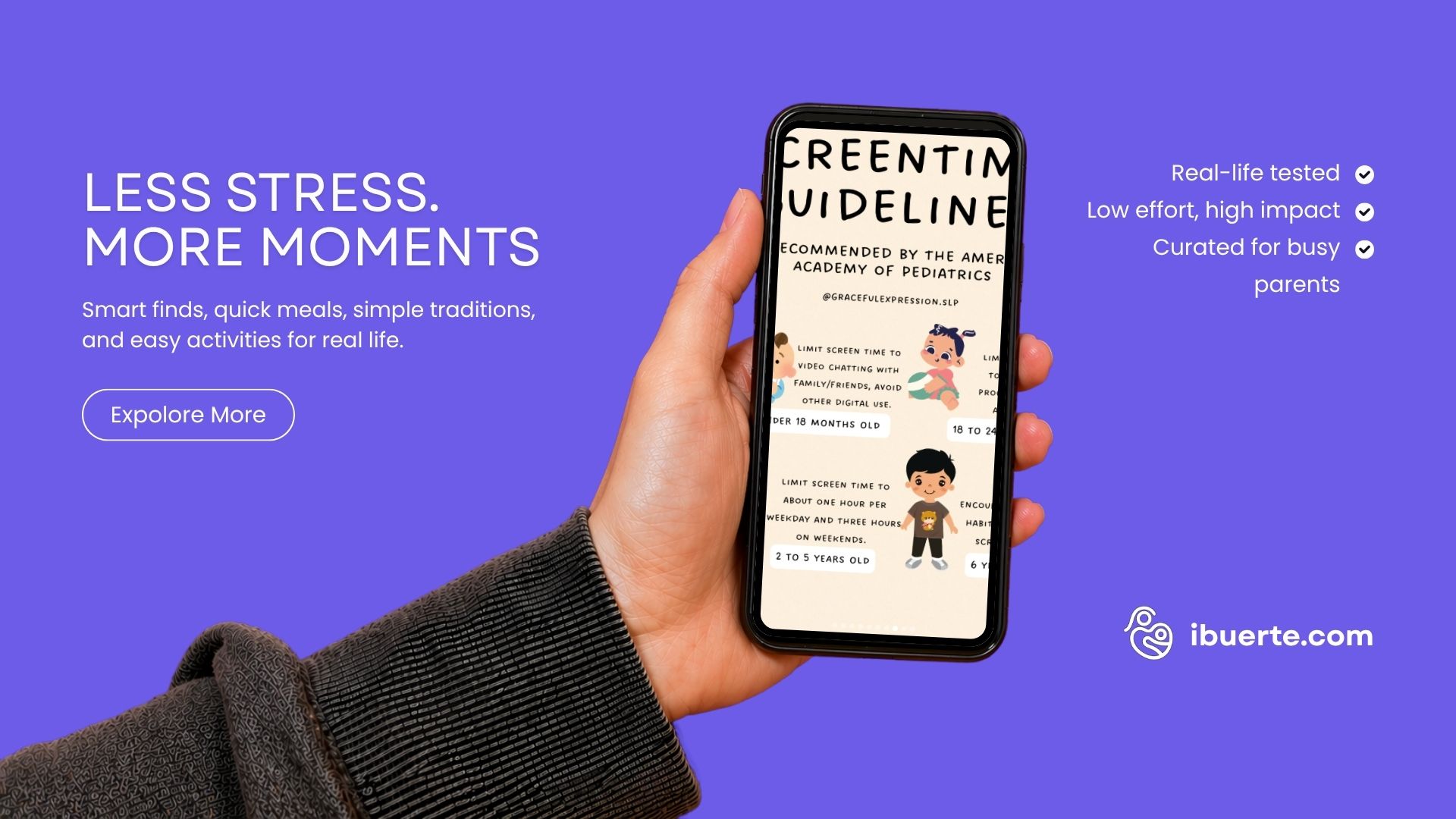

Some days feel like they’re running on empty, and screen time becomes the easiest fallback. But finding shows that do not leave toddlers overwired and overstimulated is harder than it should be. I stumbled on a post from a speech-language pathologist that reshaped how I think about what my kids watch.
It made me realize that not all screen time is equal, and that slower, gentler shows can actually support development rather than derail it.
What Makes a Show “Gentle” for Young Children
A gentle show is built around three things: soft pacing, calm visuals, and storytelling that does not rely on rapid cuts or loud music. For toddlers and young kids, these elements make the difference between winding down and winding up.
The idea is not to replace interaction, but to choose content that works with a young brain rather than against it. That means fewer flashing colors, no jarring sound effects, and characters that move and speak at a pace kids can follow.
5 Gentle Netflix Shows for Kids
Here are five shows that consistently come up in recommendations from early childhood specialists for families looking for calmer viewing options.
1. Tumble Leaf A claymation series set on a small island, Tumble Leaf follows a blue fox named Fig exploring his world at a relaxed pace. There is no conflict, no villain, just gentle discovery. The visuals are soft and slightly muted, and each episode centers on simple science or motor concepts. Episodes are short at around 11 minutes, which fits well within AAP screen time guidelines for toddlers.
Slow-paced animation that lets toddlers follow along without feeling rushed
2. Bluey This Australian series has become a favorite among parents who want humor and warmth in equal measure. The episodes run about 7 minutes and follow two energetic sisters and their family life. The pacing is quick enough to hold attention but never frantic. Bluey models emotional regulation in a way that young children can absorb naturally. It is one of the few shows that feels designed for parents to watch alongside their kids rather than just put them in front of.
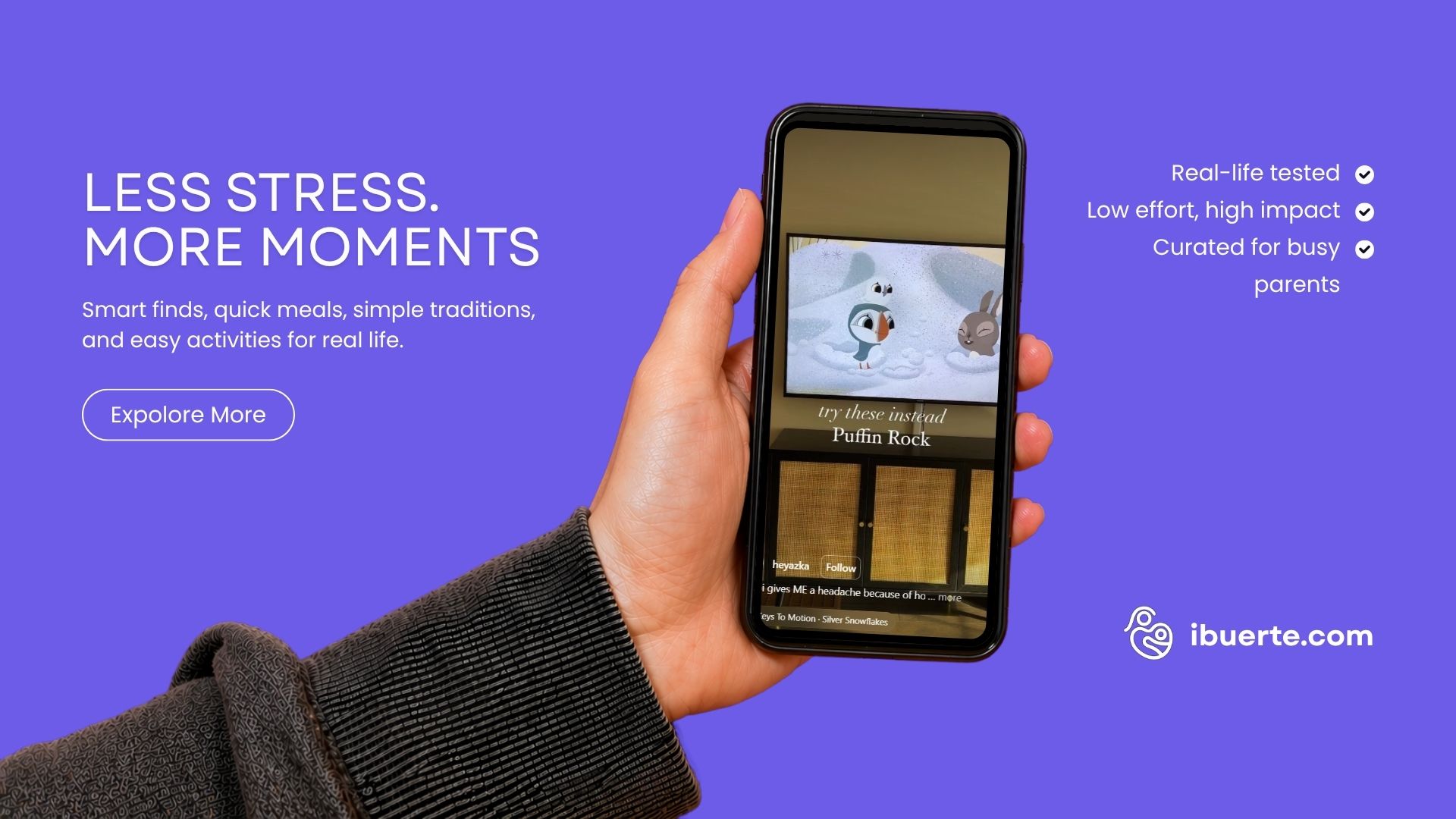
3. Pea and the Three This short-form series is built around minimal animation and soft music. It centers on a small pea exploring big ideas in an even bigger world. The pacing gives toddlers room to absorb each scene, and the color palette stays in soft greens and blues. Episodes average under 5 minutes, making them easy to fit into a calm-down routine before nap or bedtime.
4. StoryBots A live-action and animation hybrid, StoryBots teaches core concepts like letters, numbers, and feelings through quirky characters. The music is catchy but not chaotic, and the pacing alternates between quick comedic beats and slower educational segments. For toddlers who are beginning to understand rhythm and repetition, StoryBots offers something that feels like play rather than instruction.
5. Octonauts This British series takes kids underwater through calm, predictable adventures. The visuals are bright but not overwhelming, and the structure of each episode follows a clear, repeatable pattern: problem, team plan, solution, and resolution. For toddlers who thrive on routine, Octonauts offers a reassuring predictability that makes it a reliable option for wind-down time.
 Low-stimulation shows make co-watching easier for parents and more engaging for young kids
Smart Screen Time Tips from a Speech Language Pathologist
Every child responds differently to screen content, and what calms one toddler may agitate another. That is why staying attentive to how your child reacts matters more than following any strict rule.
One practice that early childhood specialists recommend is co-watching. Rather than leaving kids alone with a screen, parents who sit alongside their children can pause the show, ask simple questions, and connect what they are watching to real life. This turns passive viewing into something closer to interaction.
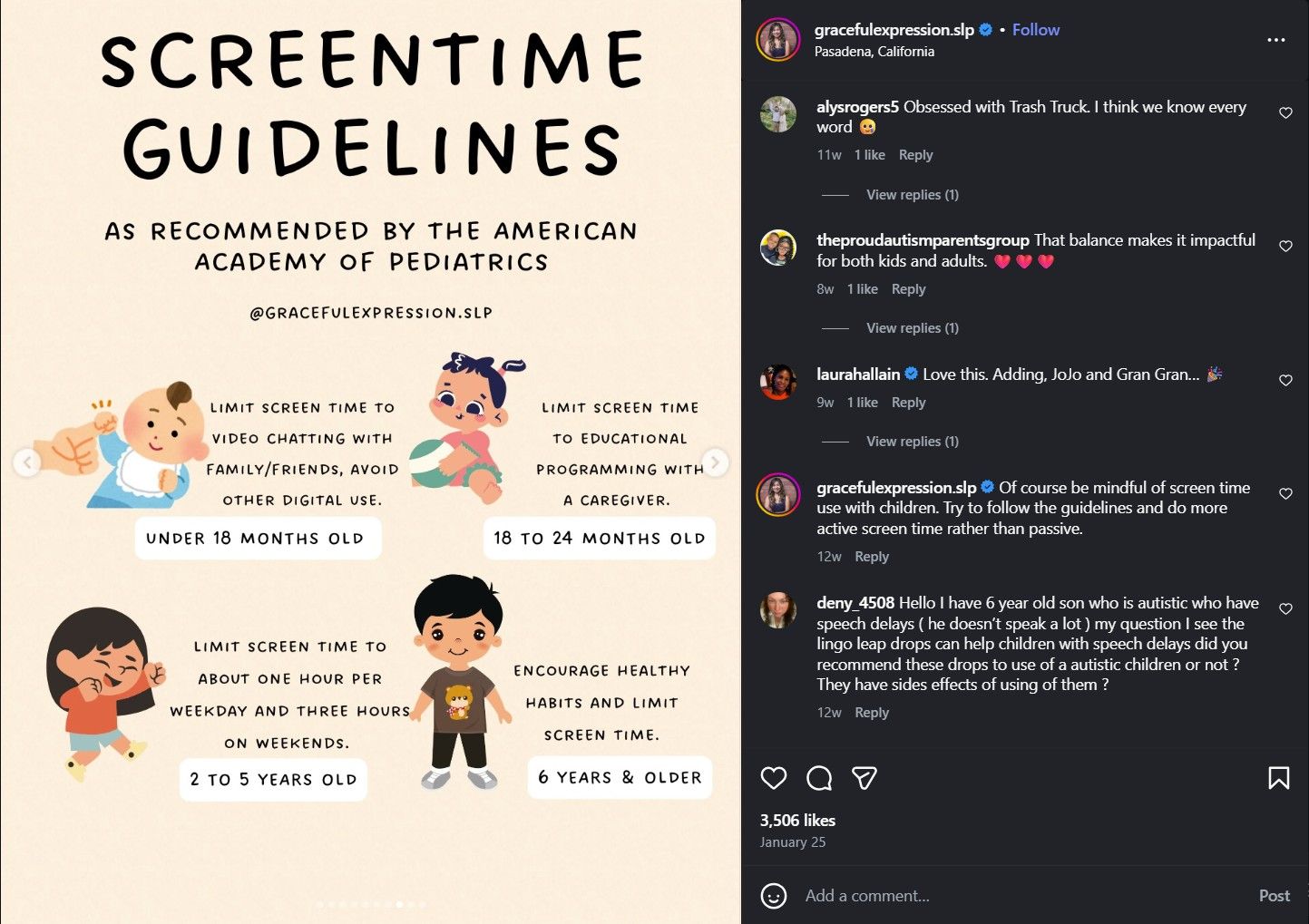
A speech-language pathologist shared a practical tip on Instagram: watch alongside your child and narrate what is happening out loud. If a character picks up an object, name it. If something happens, describe it in a short sentence. This keeps language flowing even during screen time.
The American Academy of Pediatrics recommends limiting screen time for children under 5 to high-quality programming and to prioritize interactive viewing over passive watching. For toddlers, that means prioritizing shows with real-world pacing, avoiding content with rapid scene changes, and keeping viewing sessions short.

Making Screen Time Feel More Like Learning
Screen time does not have to mean zoning out. With the right show and the right approach, it can be a bridge to language, curiosity, and connection. Start by choosing one of the five shows above and sitting with your child through it. Notice what catches their attention, and let that guide your next pick.
The goal is not to eliminate screens but to make them work for your family instead of against it.
Linea
Professional mom of three and somehow still standing. Low-prep activities, cozy traditions, kid-friendly recipes & finds for curious kids, because we're all winging it together :)
Learn more about us →