
Screen time for toddlers is one of those parenting topics that never stops generating opinions. But behind the opinions, there is actually a growing body of research asking a simple question: does the pace of what toddlers watch affect how they feel and behave afterward?
The early answers suggest: yes, it might.
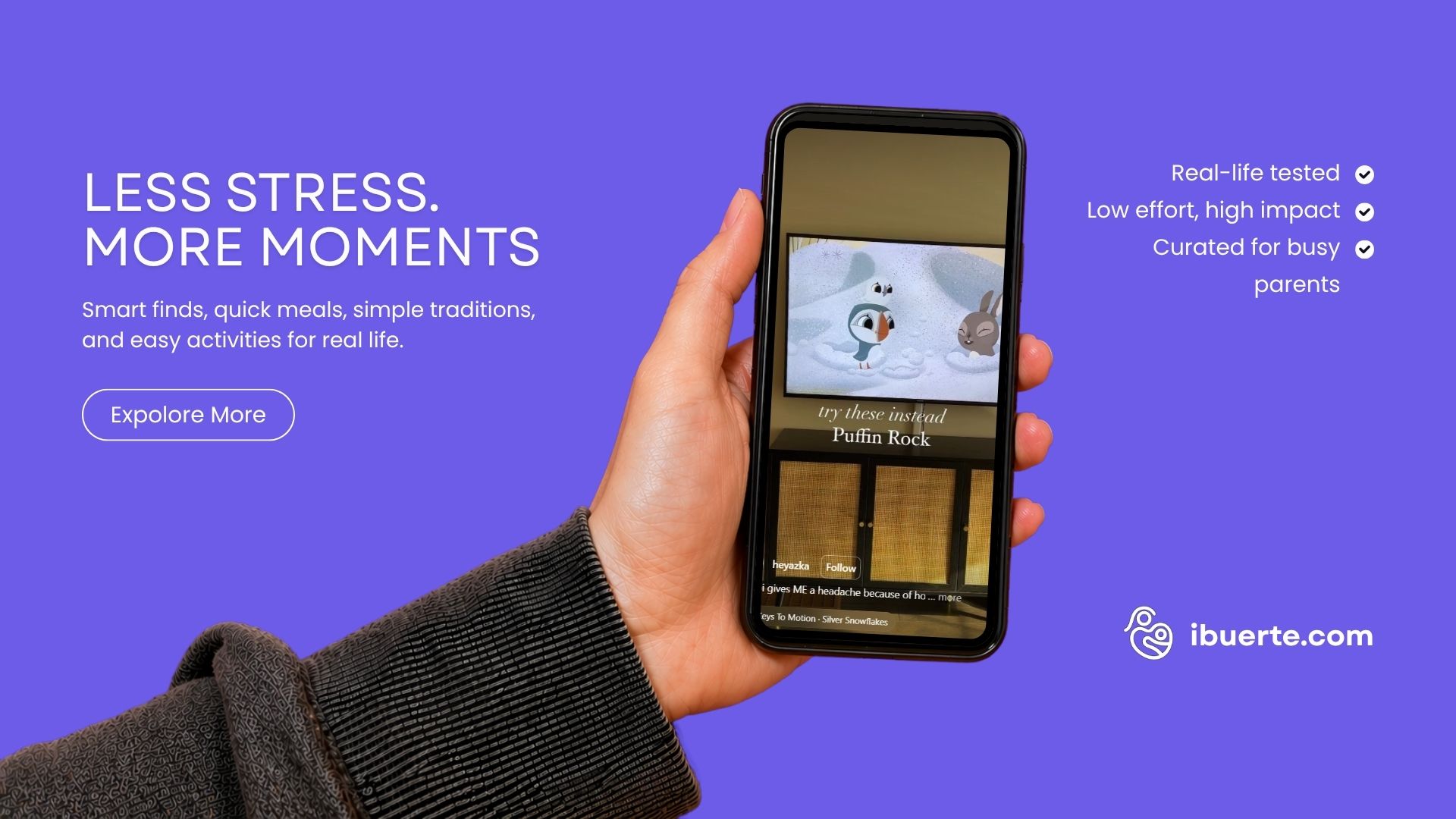
📱 Source: @heyazka on Instagram
The Overstimulation Problem
High-energy kids’ shows share a set of recognizable traits. Rapid scene cuts. Loud music that never stops. Characters shouting or jumping from one thing to the next. Bright, saturated colors flashing at a pace no toddler eye was designed to track.
The appeal is obvious — it grabs attention. But attention is not the same as learning, and excitement is not the same as calm.
For a toddler brain that is still building its ability to self-regulate, all that chaos creates a kind of sensory overload. The transition afterward — from screen to dinner, from screen to bath, from screen to bedtime — can become genuinely difficult. Not because the child is being difficult. Because their nervous system is still processing what they just watched.
Studies on attention and media have found that faster-paced programming is linked with shorter attention spans in young children. Not just during the show — after it too.
What Low-Stimulation Shows Look Like
Contrast that with the kind of programming that has become a quiet favorite among parents who pay attention to this stuff. Slower pacing. Gentle, consistent backgrounds. Soft voices. Episodes that breathe — that let moments sit without rushing to the next thing.
These shows are not boring. They are calm. And that calm creates space for something important: attention span building, emotional vocabulary, and behavior modeling that actually registers.
Modeling kindness. Modeling patience. Modeling what it looks like when someone is upset and handles it well. These things need a moment to land. Fast-paced content does not give them that moment.
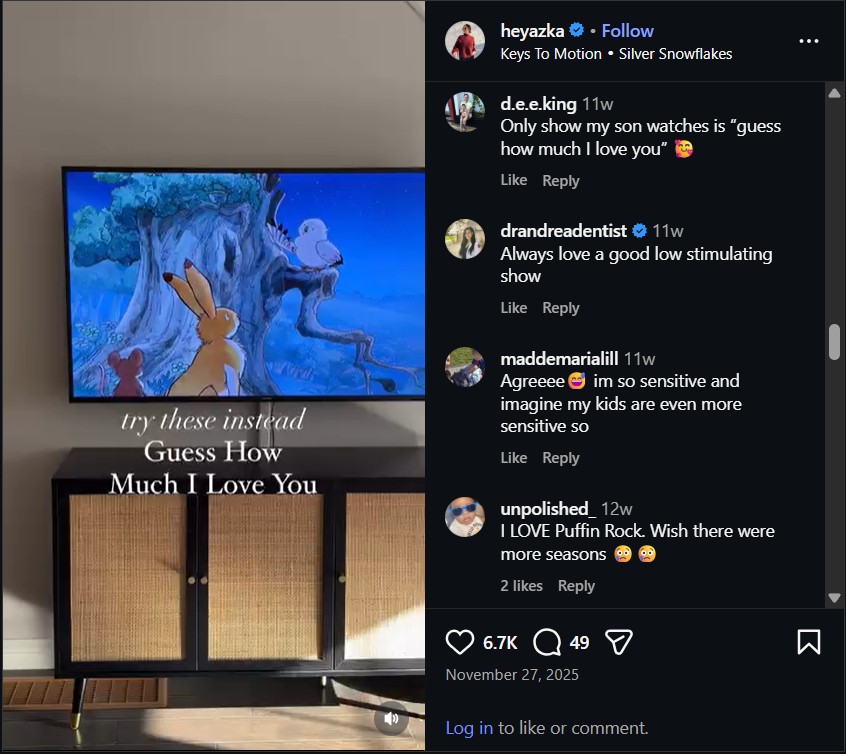 Slower screens, calmer kids — it is worth making the switch
The result is screen time that children actually absorb from, and parents who notice fewer post-watch meltdowns. That alone is worth reconsidering what goes on the screen.
Parent Recommendations
One of the most practical things parents can do is share what works. Swapping recommendations with other parents is one of the fastest ways to build a short list of shows that earn their screen time.
If you have a low-stimulation show your toddler actually watches calmly and happily, drop it in the comments. Those recommendations from real parents, testing shows in real living rooms, tend to be the most honest and useful.
The goal is not to eliminate screens. It is to make the time count.
The Bottom Line
Toddlers do not need loud, fast, chaotic television to be entertained. They need content that speaks to where they are developmentally — which is often quieter, slower, and more grounded than what fills most kids’ programming blocks.
A small swap in what they watch can change how they feel after. And that changes everything about how screen time fits into the day.
Written by Ibuerte Editorial.
Linea
Curating cozy home play ideas, family traditions, and practical guides for modern parents who want to create a nostalgic, screen-free childhood.
Learn more about us →